Free Image Describer
AI Describe Image & Picture Online
1. Upload an Image
2. Enter your question
41/1000
How to Describe Image & Picture
Step 1
Upload Your Image
Begin by uploading the image or picture you want described. Our AI accepts various formats, including JPEG and PNG. Use the file browser to select and upload your image.
Step 2
Enter Your Question
Tell our AI what you want to know about the image or picture. Request a general description, specific details, a caption, or even creative content based on what's shown.
Step 3
Get Instant, Accurate Insights
Within seconds, receive a detailed response that describes your image or picture as requested. Our AI delivers precise and relevant results, whether you need a comprehensive description or targeted information.
Showcase of Image Describer Examples
Explore our showcase to see how our Image Describer uses AI to describe images and pictures with clear, useful text. Discover real examples that highlight the accuracy and value of our describe image and describe picture tools. See how easy it is to turn any picture into detailed descriptions.
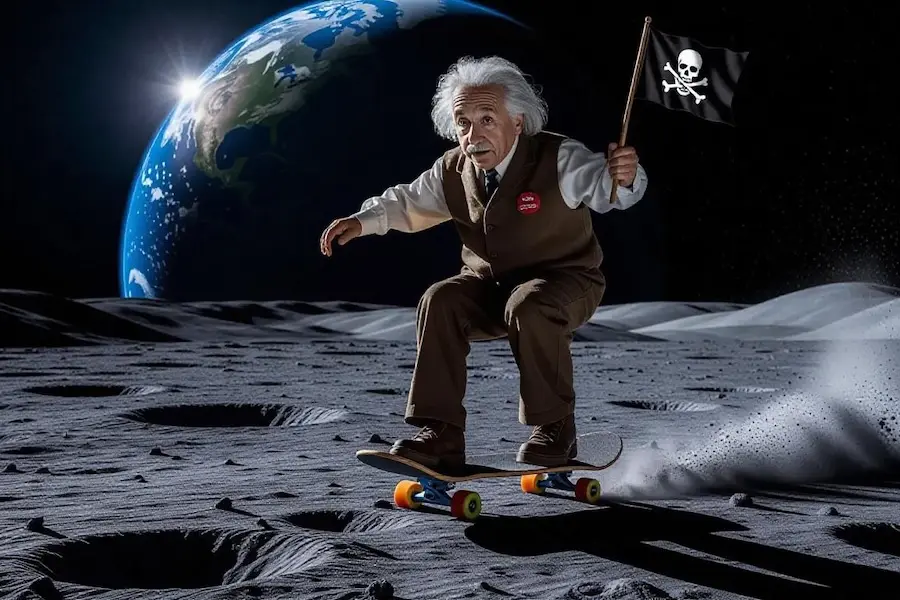
The image depicts a whimsical scene of Albert Einstein skateboarding on the moon. He is dressed in a brown vest and pants, a white shirt, and a tie, and holds a black flag with a skull and crossbones design. The moon's surface is visible with craters, and in the background, the Earth is seen with a bright sunburst.

The image features three individuals, two men and one woman, posing against a plain gray background. All three are smiling and appear to be in good spirits. The man on the left is seated on a stool, wearing a gray button-up shirt over a white t-shirt and gray pants. The woman in the middle is standing, dressed in a light green long-sleeved top and tan trousers. The man on the right is also standing, wearing a light-colored ribbed sweater and dark gray pants, with his arms crossed. He is also wearing glasses.
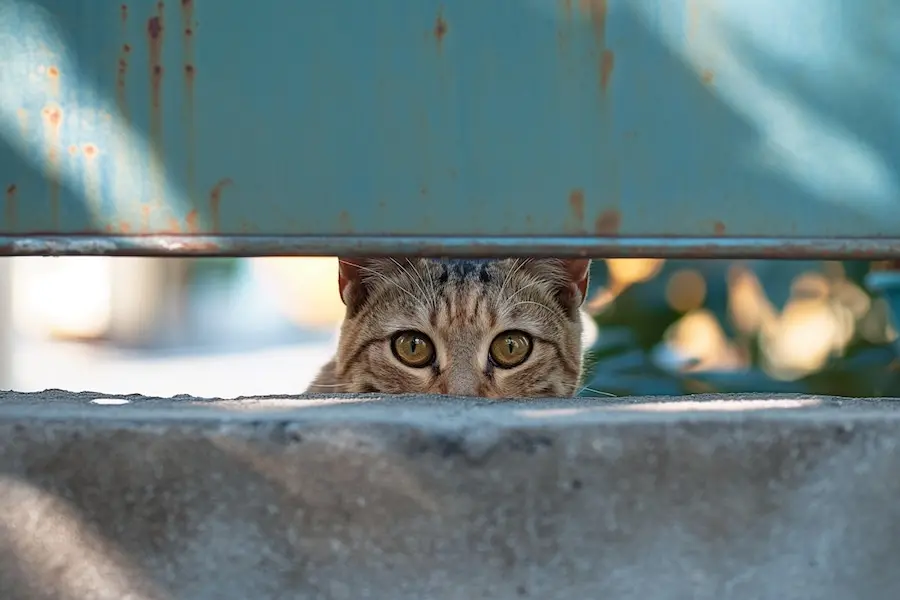
The image shows a cat peeking out from behind a barrier. Only the cat's head and eyes are visible, looking directly at the viewer. The background is blurred, suggesting a shallow depth of field.
Why Choose Our AI Image Describer?
Our AI-powered Image Describer stands out with advanced features that bring real value to your workflow. Whether you need to describe images, extract information, or unlock hidden details, we have you covered. Discover the benefits that make us the smarter choice for describing images and pictures.
Accurate Descriptions
Get detailed and precise descriptions for any image or picture, making it easy to understand visual content at a glance.
Text Extraction
Quickly extract text from images and pictures, so you can save, search, or translate important information effortlessly.
Object Recognition
Identify objects, people, and scenes within any image using top-notch AI object recognition technology.
Generate Image Caption
Generate clear and concise captions for your images in just one click—perfect for SEO, sharing, or personal use.
Translate Image
Easily translate text in images and pictures to your preferred language, helping you reach a global audience.
Emotion Detector
Our AI detects emotions in pictures, giving you unique insights for social media, analysis, or personal projects.
Frequently Asked Questions
Pixcribe's Describe Image & Picture feature is an AI-powered tool that analyzes and describes images based on user requests. It can perform tasks such as content description, text extraction, object recognition, caption generation, and even content creation based on the image.
The Describe Image & Picture tool uses advanced AI technology to provide highly accurate descriptions and analyses. However, accuracy may vary depending on image quality and complexity. We continuously improve our algorithms to enhance performance.
Yes, the Describe Image & Picture feature can translate text found in images. Simply upload your image and specify that you want the text translated. The AI will identify the text and provide a translation in your desired language.
Our Describe Picture tool supports common image formats including JPEG, and PNG. Make sure your image is in one of these formats for the best results when using the feature.
Pixcribe takes privacy seriously. Images uploaded to our Describe Image & Picture feature are only used for the specific task requested and are not used for any other purposes. We also regularly delete uploaded images to maintain user privacy.
Absolutely! The Describe Image feature can be used for content creation based on the image's content. You can request the AI to generate captions, stories, or even articles inspired by the elements in your uploaded image.
Our Describe Image & Picture tool supports multiple languages. You can receive image descriptions in various languages including English, Spanish, French, German, Chinese, and many more. Simply specify your preferred language when making a request.
To get the best results from the Describe Picture feature, use high-quality images and be specific in your requests. Clearly state what aspect of the image you want described or analyzed. The more detailed your request, the more tailored and accurate the AI's response will be.